
In The Weeds
Spring like weather is emerging across the United States. The winter months were challenging with dangerously low temperatures seen even in the Southern states where milder temperatures prevail even when the north is experiencing the joys of winter. With the thaw and the sunshine, come the weeds and the need for managing lawns, patios and flower beds as these unwanted plants return for their share of sunlight.
On 18 February 2026, the President of the United States signed Executive Order 14387 Promoting the National Defense by Ensuring an Adequate Supply of Elemental Phosphorus and Glyphosate-Based Herbicides. With almost three weeks now past since the order was signed, news outlets have been reporting on this order with deep interest. Their interest is not springtime and weed killers, it is the uses of elemental phosphorous and glyphosate-based herbicides, which go beyond the narrative of the executive order which focuses on the importance of herbicides for agriculture.
EO 14387 states: “Lack of access to glyphosate-based herbicides would critically jeopardize agricultural productivity, adding pressure to the domestic food system, and may result in a transition of cropland to other uses due to low productivity. Given the profit margins growers currently face, any major restrictions in access to glyphosate-based herbicides would result in economic losses for growers and make it untenable for them to meet growing food and feed demands.” The promotion of glyphosate-based herbicides does not attend to the problems caused by its manufacture, nor to the harm done to those exposed to these herbicides.
These are not ordinary herbicides. Not mentioned anywhere in the order is Roundup, its manufacturer Bayer Monsanto, or the $7.25 billion settlement which was reached against Monsanto which would cover both current and future claims by those diagnosed with non-Hodgkin lymphoma after being exposed to Roundup. Glyphosate was the active ingredient in the original Roundup. Elemental phosphorus is used to make glyphosate. Both chemicals are protected by the Executive Order with claims of national security.
“Neither the executive order nor the fact sheet the White House put out accompanying the order discloses that glyphosate-based herbicides have been linked to an array of cancers and other health problems in multiple independent research studies and by cancer experts of the World Health Organization (WHO).” In addition, the order also seeks to provide immunity for makers of the herbicide, which comes as relief lingers on the horizon for those who filed claims and could be party to the settlement. The executive order comes as news about the lawsuit emerges and renewed concerns are emerging around the links between glyphosate and food.
Herbicide use in food production is a contentious issue. There are studies that support glyphosate-based herbicides and others that point to its toxicity and the dangers of ingesting the product, especially for farmworkers. “The Environmental Protection Agency still considers the herbicide to be safe. But the federal government faces a deadline in 2026 to re-examine glyphosate’s safety after legal action brought by environmental, food-safety and farmworker advocacy groups.” With its widespread use on soybeans, wheat, corn and other staples it would bode well to have a decisive response on the use of the chemical, even as Bayer Monsanto is urged by the terms of this Executive Order to increase production of these two chemicals which are also used to create munitions.
From weedkiller to weapons manufacturing, there should be concern for both the uses of these chemicals. As war and violence increase with global implications, the production of munitions is deemed necessary for warfare. This week the possible dangers of a toxic and carcinogenic food supply meet with the production of munitions in a single executive order, in the shadows of war and the return of the light to the north. Many are ready to plant gardens and wrestle with the invasion of weeds, spraying with herbicides to win the garden battle. And, farmers markets will emerge with fresh delights for the table with little question for how food was produced and how it got to table.
The cry for justice is heard for the lost and the hurt, for those who have suffered from the exposure and inhalation of Roundup. The effects on the foods eaten by millions are yet to be seen. The cry for justice is also heard amid war where lives are being lost to munitions and the quest for military might. Food justice, worker justice, and the call for peace require the attention of the faithful. Weapons and weedkillers are tools of death and injury. The call for justice must prevail.
Content on ucc.org is copyrighted by the National Setting of the United Church of Christ and may be only shared according to the guidelines outlined here.
Related News
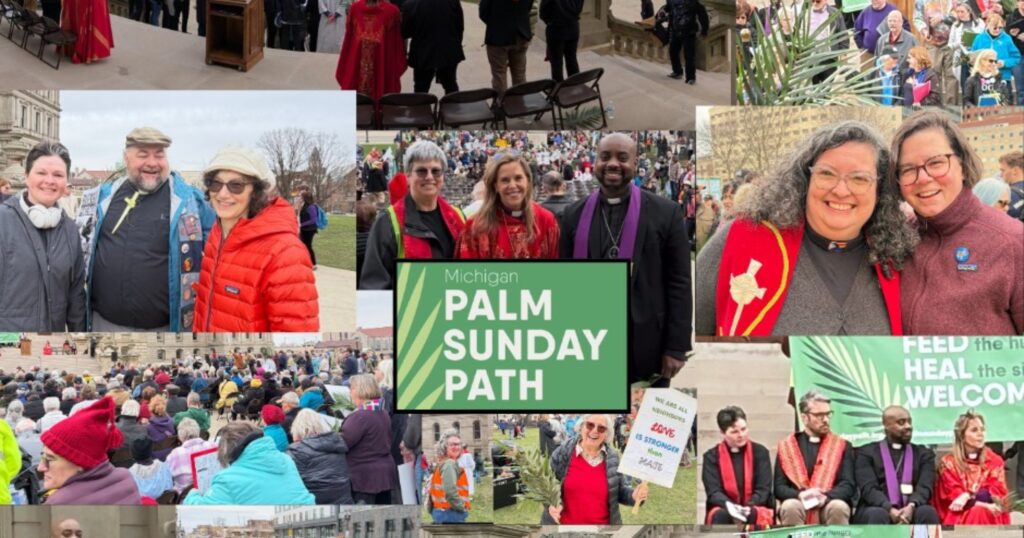
In Michigan and elsewhere, folks carried palms in the streets with calls to ‘feed the hungry, heal the sick, welcome the stranger’
On Palm Sunday, after churches participated in the annual practice of waving palms within...
Read More
Women’s History Month comes to an epic conclusion
March, Women’s History Month, comes to an epic conclusion, with the groundbreaking...
Read More
UCC to host discussion of ‘The Global Rise of Religious Nationalism’ in hybrid event
Religious Nationalism is not only shaping political and religious landscapes in the United...
Read More