The United Methodist Church approves use of OWL sexuality education curriculum in its congregations
Together with the United Church of Christ and the Unitarian Universalist Association (UUA), the United Methodist Church (UMC) has announced its approval of the use of the Our Whole Lives (OWL) curriculum in its congregations beginning in the fall of 2026.
Our Whole Lives, which recently celebrated 25 years of service is a comprehensive sexuality education curriculum developed by the UCC and the UUA, which provides honest, accurate, and developmentally appropriate information. This is the first time the OWL curriculum has been approved for use by a denomination outside the two host denominations. Those involved have high hopes that the curriculum will have a great impact for generations to follow.
‘A big deal’
The Rev. Amy Johnson, the UCC’s Minister for Sexuality Education & Justices says this new partnership is groundbreaking because there isn’t anything in the faith-based space like it.
“It’s a big deal because a denomination agreed that this was important enough to say ‘yes, we approve of your using this, comprehensive, inclusion, lifespan sexuality education in the church,’” said Johnson.
Johnson said the approval of the OWL curriculum in the UMC is not only a big deal, but that access to this type of curriculum is key to helping bridge gaps and removing stigma that surrounds sexuality and the church.
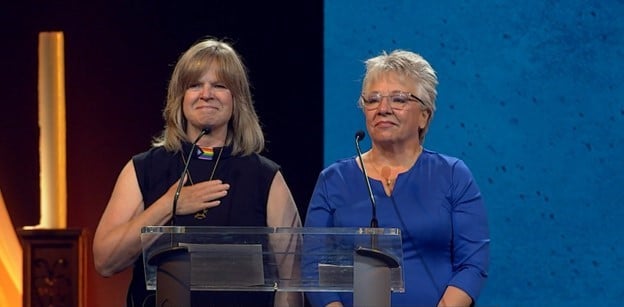
“To have more people who go to church to be able to experience the factual and scientific information about bodies and relationships — of gender being normalized — are things that change and literally save lives,” said Johnson.
Melanie Davis, UUA’s Our Whole Lives program manager agrees and says they are happy to welcome UMC congregations into the community.
“We know from over 25 years of experience that this is a life-saving program that has helped participants of all ages, and we’re pleased that UMC churches will have access to the same quality sexuality education,” said Davis.

Statistics on sexuality in churches or religious settings vary by context. According to the Institute for Family Studies, approximately 80 percent of unmarried evangelical young adults (18-19) have engaged in premarital sex. That same survey found that only 35 percent of U.S. Christians who attend worship services regularly believe casual sex is sometimes or always acceptable.
Creating healthy spaces
At its 2024 General Conference meeting, the UMC approved the use of OWL as a comprehensive sexuality education curriculum in UMC-affiliated churches. The denomination has focused on developing an implementation strategy that includes training facilitators from congregations across the denomination, and working to help people understand that sexuality is fluid, which Chris Wilterdink says is needed in churches.
“It’s important to recognize that sexuality is good, and can build relationships when you approach in a healthy way,” said Wilterdink.
Wilterdink, who serves as the Executive Director of Congregational Vitality and Intentional Discipleship at Discipleship Ministries, one of the 13 international agencies of the UMC said the goal is to, from a denominational level, provide its congregations the tools and resources needed to be able to have conversations about human sexuality in healthy spaces and healthy ways.
“Ignoring it is not an option. We want to provide tools, resources and trainings to those churches that want to have conversations about human sexuality, and provide the support to do that in healthy ways,” said Wilterdink.
Repairing harm
Johnson says the Christian Church has been responsible for “trying to separate our bodies and our spirits.” She adds that the ways in which people have practiced religion has been informed by patriarchy and white nationalism, which has created fear about speaking out about sexuality in the church.
“There has been an incredible amount of harm that has happened around sexuality, and it’s not something we take lightly,” said Johnson in reference to the ways in which the OWL curriculum works to pull back the layers of harm and begin to reframe the conversation. “This is one of the most beautiful and prophetic pieces of the UCC, that we continue to be in this ministry together, and amplify its importance.”
Purity culture and sexual shame have shaped the lives of many people raised in Christian communities in the United States, according to a report by the Council for Relationships, a nonprofit that “strengthens interpersonal connections through accessible, specialized, and expert research.”
The report states that both Catholic and Evangelical Christian teachings “share a common message: purity culture and sexual shame,” which have significant impact on men, women, and gender non-conforming individuals. These same principles tend to exclude LGBTQ+ people, judging their relationships as wrong, which compounds the feelings of shame and guilt, according to the report.
Wilterdink adds that trauma-informed ministry approaches are important, and special care must be taken in working with young children, and those that have experienced significant harm from the church.
“I want to encourage our church leaders to not shy away from conversations that are difficult,” said Wilterdink. “We’re at a time and place where young people and those who lead ministries with young people really are expressing a desire to be trained and equipped to participate in what traditionally might be held as uncomfortable or difficult conversations.”
‘Accepting the freedom God gives you’
The Rev. Heather Moore is an ordained deacon in the United Methodist Church and serves as the associate director of recruitment and admissions for the Perkins School of Theology in Dallas. Her area of focus has been human sexuality for nearly 20 years, in which she has dedicated much of that time to help the denomination better teach sexuality, not only for youth, but for adults, too.
“I stopped [Wilterdink] in passing and said “I’m excited to do this, and we need to do it right,'”recalled Moore at the 2024 General Conference meeting. Moore wanted to make sure that those who wanted to opt-in had the appropriate resources to engage in the work holistically.
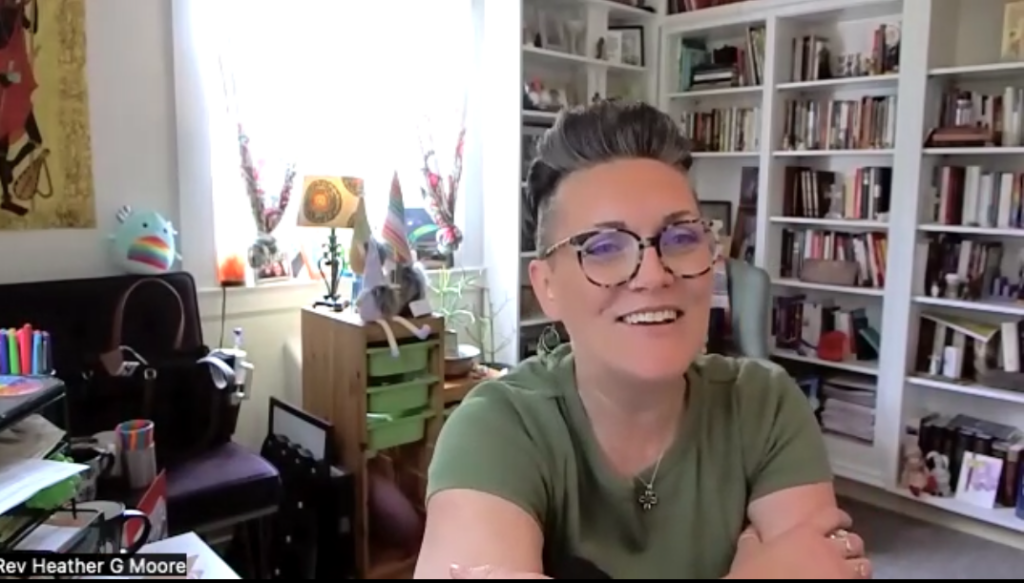
Moore, who is based in the Dallas area, says comprehensive sexual education isn’t available anywhere in Texas, and is something she hopes can change with the approval of OWL in the UMC. Moore says that God created all humans to love and be loved, which gives everyone the right of free will.
“That freedom is given to us, but we have to accept that, and commit to this vow to resist evil, injustice, and oppression,” said Moore, adding, “Not having access to accessible, comprehensive sexuality education is oppressive. It means people don’t have the information they need to care for their bodies, their needs, their sexuality, and we need to resist that evil.”
The use of the OWL curriculum in UMC churches will begin in the United States, according to Wilterdink. If the response is successful, there are conversations as to what an international rollout would look like. The UMC will begin training facilitators for use of the curriculum this October.
Content on ucc.org is copyrighted by the National Setting of the United Church of Christ and may be only shared according to the guidelines outlined here.
Related News
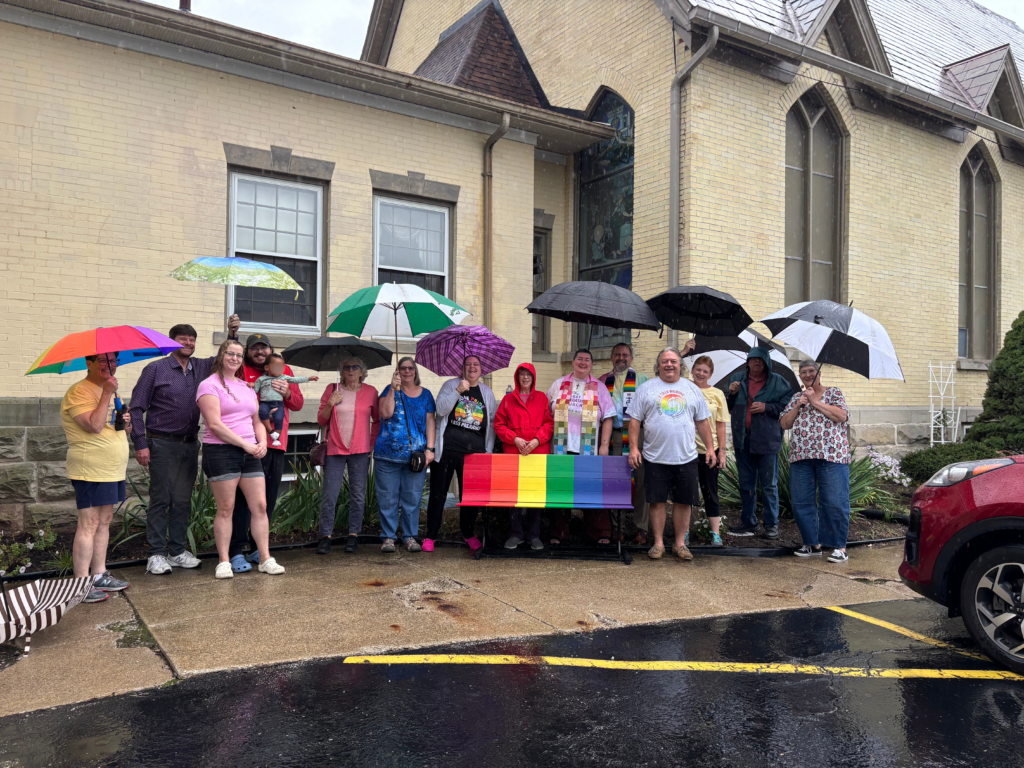
North Ridgeville UCC Church dedicates new rainbow bench, won’t let theft slow them down
In early September, a rainbow colored bench was stolen from the back of the First...
Read More
‘A space ripe for interfaith engagement’: Inclusive Christian traditions team up at Scouting America national gathering to offer support, presence, education
The Rev. Aaron Wisman says he was raised as a “none” – someone with no religious...
Read More
How do we respond to AI data centers? UCC study circle seeks input from local activists
The UCC’s Environmental Justice Ministries and Media Justice Ministry have joined together...
Read More