
Unsanctioned
Sanctions are financial and trade-related penalties imposed by one country on another entity (a country, company, or individual). This is done to put economic, trade, political, and other diplomatic pressure on the sanctioned entity to encourage them to change a certain behavior (or set of behaviors). Diplomatic pressure is the key use of sanctions. The end result desired is enforcement of compliance with the law.
Any government can impose a sanction. However, Australia, Canada, China, Japan, the United Kingdom and the United States, as well as the European Union, United Nations and the World Bank currently have sanctions against other countries or entities. Countries are sanctioned for many reasons including: Human rights violations, nuclear weapons development, terrorism sponsorship, aggression toward another state, or political corruption or election interference.
The effectiveness of sanctions has been questioned over the years with the identification of unintended consequences such as the suffering of people with limited, if any, responsibilities for government actions. Concerns have been raised for many years over the US economic sanction of Cuba which was imposed in the 1960s. The recent Executive Order Addressing Threats to the United States by the Government of Cuba has exacerbated the suffering of Cubans, with living conditions worsening on the island.
Prolonged power outages and food shortages are reported alongside concerns for the suppression of dissidents and human rights violations in Cuba. The United Church of Christ continues to call for an end to the economic sanctions against Cuba and passed a resolution “Ending the U.S. Embargo on Cuba” in 2017.
US economic sanctions against Venezuela resulted in billions of gallons of Venezuelan crude oil sitting unsold for years with devastating effects on the Venezuelan economy. Following US military action which resulted in deposing Venezuela’s president, the United States took possession of 80 million barrels of Venezuelan oil. Economic sanctions against Venezuela date back to 2006 related to terrorism, 2014 for human rights violations, with the first Trump administration imposing economic sanctions in 2017.
As the US-Israeli war against Iran which began on 28 February 2026 escalates, global concerns have focused on heightened tensions in an already volatile region of the world, increasing casualties, spread to neighboring countries, and the price of oil. The US has imposed sanctions against Iran dating back to 1979 with a National Security Presidential Memorandum (NSPM) restoring maximum pressure on the government of the Islamic Republic of Iran, denying Iran all paths to a nuclear weapon, and countering Iran’s malign influence abroad signed on February 5, 2025.
On 18 March, the United States Treasury Department quietly eased sanctions on Venezuelan oil which allows the current administration to begin selling the 80 billion barrels of oil taken from Venezuela and allows US companies to do business with Venezuela’s state-owned oil and gas company. Payments cannot go directly to sanctioned Venezuelan entities such as PDVSA but must be sent instead to a special U.S.-controlled account. In other words, the U.S. will allow the oil trade but will control the cash flow. Venezuela owns the world’s largest oil reserves. Economic sanctions have restricted the sale of Venezuelan crude on the global market. But now that the US has lifted sanctions on Venezuelan oil, that oil will be sold by the United States to ease global oil prices. The funds from the sale of that oil will not benefit the Venezuelan people.
US Sanctions against Iranian oil was lifted for 30 days. This “unprecedented” decision was made during a war that continues, to allow for the sale of Iranian oil which was stranded between ports due to the war. The increase in oil prices since the war has increased Iranian profit and will increase the profits on Venezuelan oil sold by the United States.
The United States Treasury Department also temporarily lifted sanctions on Russian oil, a move which was widely criticized by world leaders. This will allow Russia to sell its oil, and reduces the pressure of the economic sanctions imposed as a result of its invasion of Ukraine.
One news report quoted the US Treasury Secretary in its headline: US to ‘unsanction’ Iran oil — then use it against Iran? What it means. The US Treasury Secretary said the U.S. had already moved to “unsanction” Russian oil cargoes already on the water, estimated at about 130 million barrels, and could do the same with roughly 140 million barrels of Iranian oil in floating storage. Further stating: “by the time we unsanctioned the floating Iranian oil, we would have intervened and we would have created about 260 million excess barrels of energy.”
Unsanctioned means: “Lacking effective or authoritative approval or consent. Not officially allowed or approved.” The Treasury Secretary’s misuse of the word may be appropriate for the actions of this administration with demonstrated adverse effects in the United States and globally.
An unsanctioned war in Iran. The unsanctioned invasion of Venezuela. The unsanctioned immigration activities of ICE. Unsanctioned threats to Greenland and Canada and Cuba. Unsanctioned cuts to programs and communities. The US president’s decision to “unsanction” oil is consistent with the narratives of tyranny and authoritarianism exhibited over the past year.
The ease of lifting sanctions on oil for sale to reduce rising oil prices as a means to sustain the global economy means sanctions can be lifted to ease the suffering of the people. Yet, this has not been the case for the people of Cuba, Syria, Sudan, or Venezuela. Calls for the lifting of economic sanctions must continue, and alternate means should be found for ensuring and enforcing guaranteed human rights without additional harm inflicted on those already oppressed.
Humanitarian aid should not be a bargaining tool in places where economic sanctions are imposed. The use of economic sanctions to ensure human rights is oxymoronic when those sanctions lead to suffering and death for children and families, while resulting in little change in government actions. It is time to unsanction violations of human rights, cruelty, and authoritarianism.
Content on ucc.org is copyrighted by the National Setting of the United Church of Christ and may be only shared according to the guidelines outlined here.
Related News
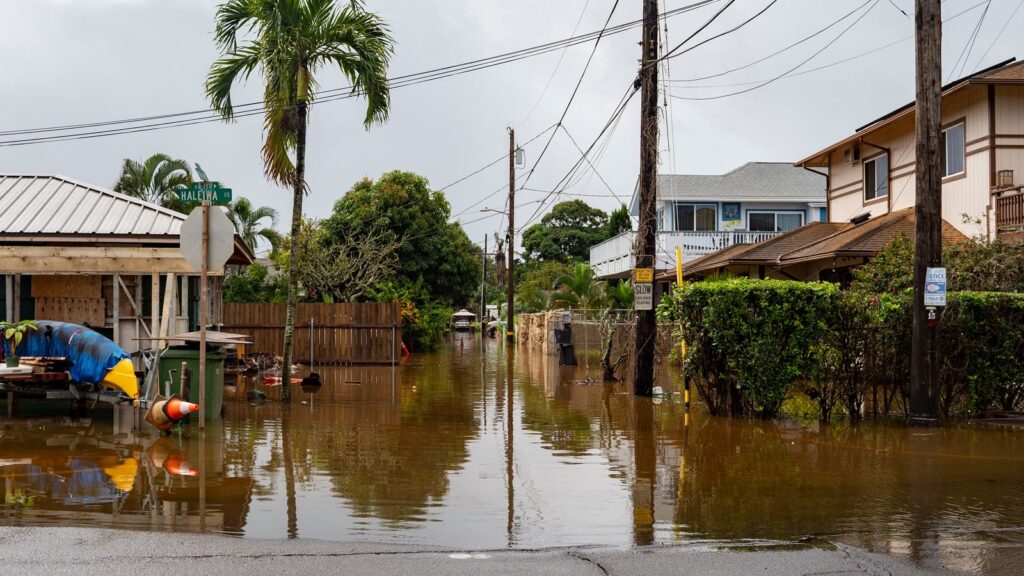
UCC issues appeal to support relief efforts as historic flooding continues to impact Hawaii
The United Church of Christ has issued an appeal to support those who’ve been impacted by...
Read More
Opening the poetic space in churches: UCC launches online poetry collective
From Genesis to Revelation, one-third of the Bible is filled with poetry, beckoning souls to...
Read More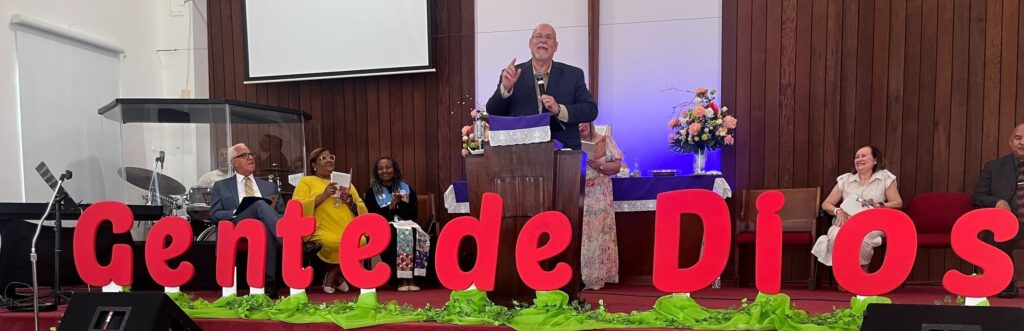
UCC GMP visits Puerto Rico to celebrate the retirement of one leader and meet the new head of communion for the IEUPR
Puerto Rico was the setting for a celebration of the retirement of the Rev. Edward Rivera...
Read More