Commentary: The Gender-Based Violence Pandemic
 This week we celebrate Thanksgiving in the United States and, like many, I’m unable to travel to be with my family and celebrate as we’ve done in the past, due to the increase in Covid-19 cases. This will not be the first time I’ve spent Thanksgiving apart from my family, and it probably won’t be the last, but I still grieve the loss of this time with family.
Still, I am incredibly privileged to be able to work from home effectively. I do not need to care for anyone other than myself (and my cat). I am living in a safe situation where I don’t fear violence.
For many women in the United States and around the world, this is not their reality. Globally, domestic violence has increased during the pandemic; women have left the labor market to care for children or ill family members; women were forced out of the labor market due to job cuts or company closures; and women are a majority of workers we’ve deem essential and have increased their exposure to the virus. Black women, indigenous women, migrant and refugee women, black trans women, and other women living on the margins have been impacted the most – and yet have the least resources.
Beginning on November 25, we join the global “16 Days of Activism against Gender-Based Violence” campaign. Everyone is talking about the health pandemic, but we’ve had a pandemic of gender-based violence since the beginning of our patriarchal societies. Globally, 1 in 3 women will experience violence in their lifetime. No person, no city, no state, no country is immune to this violent pandemic. You probably know a woman who has experienced violence.
As I’ve been preparing for the 16 Days of Activism, I think about some of the women who have spoken up and shared their experiences at the cost of re-traumatizing themselves. Nadia Murad, a 2018 Nobel Peace laureate and member of the Yazidi ethnic group, told her story of the 2014 capture of her village, the killing of her family, and the sexual violence she experienced at the hand of Islamic State fighters. She has said, “I want to be the last girl in the world with a story like mine,” and has worked to end violence and the use of rape as a weapon of war. Malala Yousafzai, the youngest Nobel laureate, who fought and was shot for daring to go to school, has said, “I tell my story not because it is unique, but because it is the story of many girls,” and she continues to advocate for girls while completing the education she fought for.
These two women have been recognized for their advocacy work for justice, peace, and equality. There are many more women whose stories we don’t know and will never hear. We made strides recently with the #MeToo movement in sharing stories and speaking up about gender-based violence, but the violence persists.
Join the fight against gender-based violence. The #ThursdaysinBlack campaign and the UCC’s 16 Days of Activism guide offer some ways you can act. A world free of violence is possible.
Rebekah Choate is the Associate for Global Advocacy and Education, Global Ministries of the Christian Church (Disciples of Christ) and the United Church of Christ.
View this and other columns on the UCC’s Witness for Justice page.
Donate to support Witness for Justice.
Click here to download the bulletin insert.
Related News
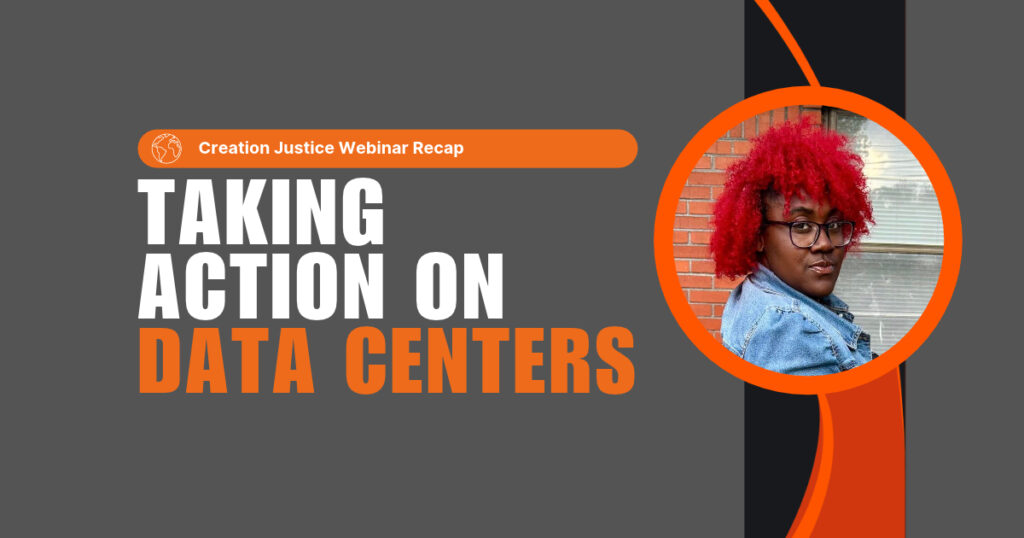
Creation Justice: How people in Memphis have been taking action against hyper-scale data centers
When Alexis Humphreys began working on a grassroots effort to confront Elon Musk’s xAI data...
Read More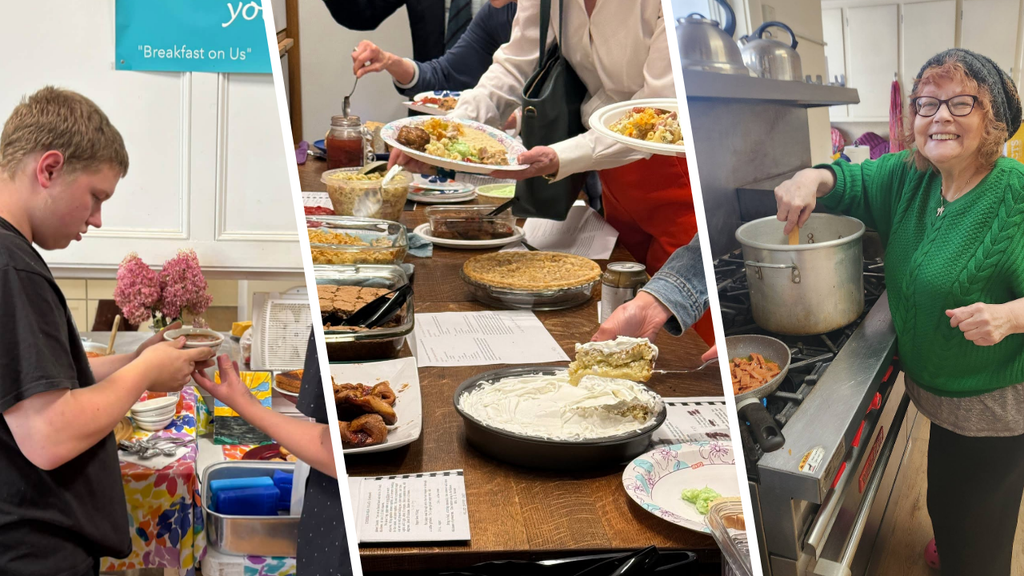
The good old church dinner gets reimagined as hunger and loneliness rise: Free meals are life-saving ministries
She was one of many who came forward to the communion table, taking with her two tiny cups...
Read More
National Ministries, along with Central Pacific Conference release joint statement condemning school shooting in Bend, Oregon
The United Church of Christ, in collaboration with the Central Pacific Conference, has...
Read More