December 18
O come, O Child of Mary, come, in flesh and bone to make a home, to bring the change your mother dreamed, and through that fight the world redeem.
The Join the Movement Team
Let me make songs for the people
Songs for the old and young;
Songs to stir like a battle cry
Whenever they are sung.
– from “Songs for the People” by Francis Ellen Watkins Harper
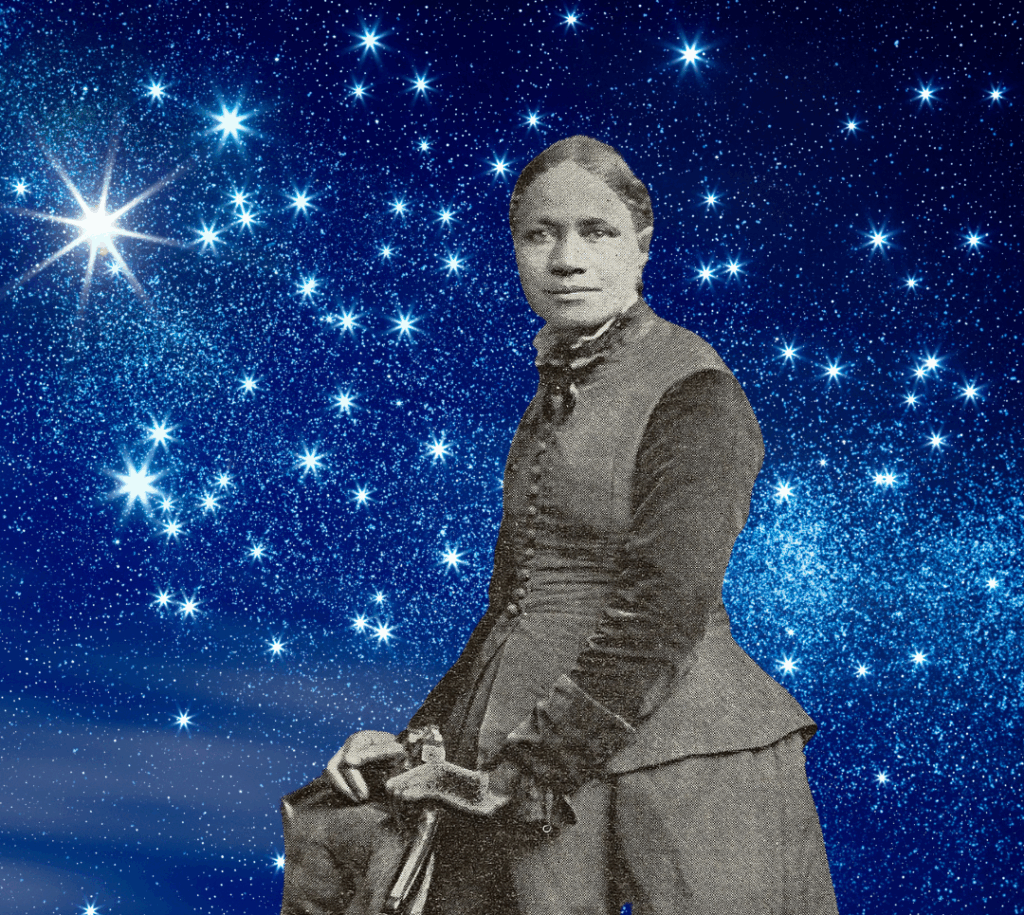
Abolitionist Profile
Francis Ellen Watkins Harper was born in Baltimore Maryland in 1825 to free African-American parents. Orphaned at a young age, she was raised by her Aunt Henrietta and Uncle William Watkins, who was an abolitionist, self-taught doctor, and founder of the Watkins Academy for Negro Youth, which Francis attended. When she turned 13, Harper took a job for a white Quaker family who owned a bookshop, giving her access to books that fed her love of reading and her writing. She wrote her first book of poetry in 1846. Harper would eventually become a teacher, the first woman to teach at Union Seminary in Wilberforce Ohio. The catalyst for Harper’s abolition work came in 1853 when her home state of Maryland passed a law forbidding free people of color from entering the slave state. One free Black man who violated the statute was sold into slavery in Georgia, attempted to escape, was recaptured, and died of exposure while being punished. Harper cited this event as her inspiration for turning her life to the fight for freedom. She wrote to a friend “Upon that grave, I pledged myself to the Anti-Slavery cause.”
Harper began writing poetry for antislavery newspapers and traveled across the United States and Canada as a lecturer for abolition and Black and women’s suffrage. In 1866, Harper spoke at the National Woman’s Rights Convention in New York. Her famous speech entitled, “We Are All Bound Up Together,” urged her fellow attendees to include African American women in their fight for suffrage. She emphasized that Black women were facing the double burden of racism and sexism at the same time, therefore the fight for women’s suffrage must include suffrage for African Americans. She spent the rest of her career working for the pursuit of equal rights, job opportunities, and education for African American women, until her death in 1911.
Prayer
With lullabies of freedom’s dream, come Child of Mary.
In bearing witness to fuel change, come Child of Mary.
With tender skin and filling lungs, come Child of Mary
In the daily practice of abolition, come Child of Mary.