Growing Weary
In December 1964 during a speech in Harlem, Fannie Lou Hamer declared: “And you can always hear this long sob story: ‘You know it takes time.’ For 300 years, we’ve given them time. And I’ve been tired so long, now I am sick and tired of being sick and tired, and we want a change. We want a change in this society in America…”
Another 60 years have gone by since that speech, and another generation is wracked by the weariness of compassion fatigue as social empathy wanes, disparities increase, and the suffering of millions is ignored or lack the attention and care to bring about social change.
Compassion fatigue was observed in individuals who are exposed to the trauma of others for long periods of time as a result of their profession. The definition was extended to include the experiences of any empathetic individual who is acutely conscious of societal needs but feels helpless to solve them.
The tiredness is real. The bone weariness creeps in and takes hold as laws are being enacted to remove the services that provide for those who are unable to care for themselves. The poor, the unhoused, the disabled, the unemployed and under-employed are increasing in communities across the United States while the proposed budget bill holds dire consequences. The cuts to Supplemental Nutrition Assistance Program (SNAP) will increase poverty, food insecurity, and hunger for children and adults, disproportionately affecting Black communities in the United States 25% of whom receive SNAP benefits.
Listening to the myriad of voices and opinions, it is hard to ignore the reports of abuse of the system or the cost of social programs. Yet, when the cuts that are made to social programs are absorbed by tax benefits for the wealthy, one has to wonder why make the choice to give more to those who already have more than they need. The rich are getting richer, and the poor are getting poorer as the fight for social programs ensues with children going to school hungry and working families unable to meet their financial needs or provide an adequate roof over their heads.
Protests in the street continue to point to the discontent and agitation many are experiencing. People’s lives are experienced as being undervalued and devalued in the militarization of cities under the guise of crime reduction, in the deportation of people, in the arrests without due process, and in the otherizing of people based on race, ethnicity, sexual orientation, gender, finances, and other identity groupings. A recent Supreme Court decision allows the Immigration and Customs Enforcement (ICE) agency to profile Americans based on perceptions that they look like an immigrant. This ruling has been particularly challenging for Latino communities. The violation of human rights and civil rights are cause for concern. If one is paying attention and cares, the exhaustion is felt and heard resoundingly.
And, if all of that is not exhausting and worrisome, the erosion of democracy and democratic values is causing fear and anxiety, and is increasing the exhaustion felt by many. People are worried about themselves, and for their friends and family. Compassion fatigue is present among those with commitments to justice and social change, with minimal attention to how these challenges can be addressed. The classic symptom of compassion fatigue is a decline in the ability to feel sympathy and empathy, and accordingly, act from a place of compassion.
Galatians 5:9 encourages: “…let us not grow weary in doing what is right, for we will reap at harvest time, if we do not give up.” This is not the time to give up, instead, taking care of ourselves and those around us is a priority as we seek a just world for all. This includes attention to pastoral care in the life of faith communities and attending to community support for the millions on the front lines and those whose lives continue to be disrupted by injustices.
Content on ucc.org is copyrighted by the National Setting of the United Church of Christ and may be only shared according to the guidelines outlined here.
Related News

A Day to Remember
The Rome Statute established the creation of the International Criminal Court, a supranational...
Read More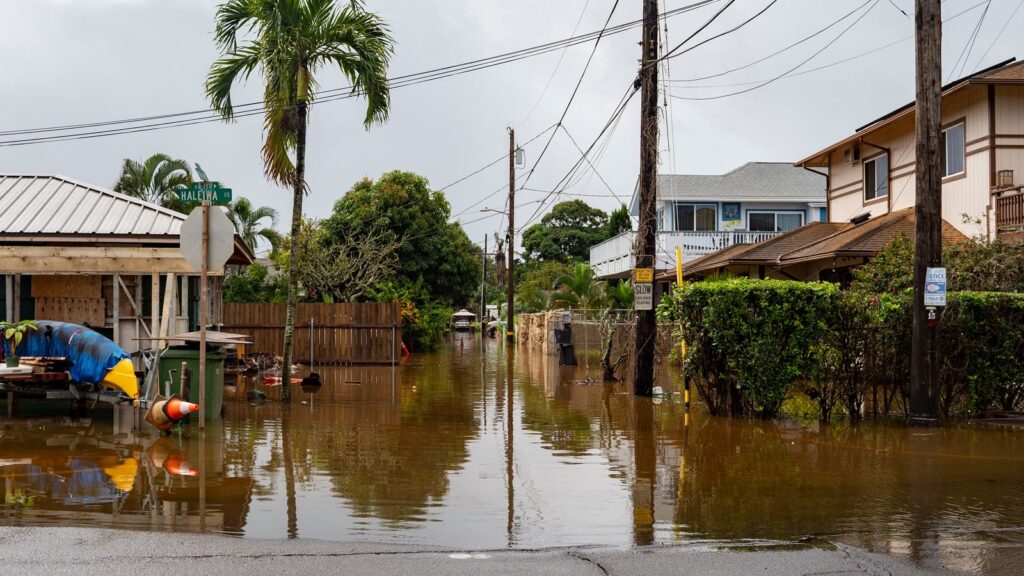
UCC issues appeal to support relief efforts as historic flooding continues to impact Hawaii
The United Church of Christ has issued an appeal to support those who’ve been impacted by...
Read More
Opening the poetic space in churches: UCC launches online poetry collective
From Genesis to Revelation, one-third of the Bible is filled with poetry, beckoning souls to...
Read More