
Drawing the Line
Decision making is complex and requires starting somewhere in determining whether support is given to an action being contemplated. There are multiple factors that additionally cause us to lend voice and care for people, issues and opportunities. Morals and values come into play, so does loyalty (sometimes to political causes), and experiences that shape and provide formation on many levels. Over time, lines are drawn about what becomes acceptable. By definition, to “draw the line” means to set a strict limit on what you are willing to do or accept, typically because you believe something has crossed into being unreasonable, unethical, or unacceptable.
These days I find myself asking where people, communities, and countries will draw the line as the rapid-fire changes of the current administration burn through years of advocacy, legislation and policies that have provided safeguards for historically marginalized communities and supported the human rights of millions.
Voter rights are being rolled back even as congressional districts are being redrawn. These actions are intentional, affecting the hard fought and earned rights for African-Americans to participate in the electoral process with impact on outcomes that affect their communities and society. The April 2026 ruling of the Supreme Court weakened the Voting Rights Act of 1965 and aided GOP efforts to control the House. The 47th president of the United States had touched off a nationwide redistricting competition this year to boost Republican chances of preserving their House edge. The president said some states should redraw their maps and he called the decision the “kind of ruling I like.”
The irony of drawing lines is worth noting.
As lines are being redrawn to benefit the majority culture, decisions are being made to disenfranchise the interests of other countries and as threats escalate people and countries have found themselves targeted. The administration has begun to weaponize long-standing restrictions on freedom to travel to Cuba, focusing on travelers who criticize the US policy of asphyxiating the Cuban economy and threatening a military attack. Cuba, Greenland, Venezuela, African countries, the Pope – all bear stories about the choices that are made and the blurring of lines previously thought to be well established by protocols and foreign policy.
And then, there are those who have been public in their criticism of the current President of the United States and find themselves being targeted with retribution which has weaponized government agencies on behalf of the President against those he has problematized. A special report by Reuters bore the headline: Trump’s campaign of retribution: At least 470 targets and counting. Per the report: “At least 470 people, organizations and institutions have been targeted for retribution since Trump took office – an average of more than one a day. Some were singled out for punishment; others swept up in broader purges of perceived enemies. The count excludes foreign individuals, institutions and governments, as well as federal employees dismissed as part of force reductions.”
498 days since the inauguration of the president, the questions come: “Where will the line be drawn on the actions and changes being made by the current administration?” Is there a line to consider, a limit to be identified in what individuals are willing to accept from this administration? Is there a line that defines what is unreasonable, unethical or unacceptable or is this present moment defined by a philosophy where “anything goes”? How much suffering is enough to warrant change in direction and policy? And where is the line in demanding justice for those who find themselves targeted and victims of unethical decisions?
Faith is an important factor in determining where the line is drawn. As people of faith, the call for justice lends weight in the quest for action and systemic change. The line becomes clearer when filtered through a lens of faith; otherwise, identifying the line becomes that much harder.
Content on ucc.org is copyrighted by the National Setting of the United Church of Christ and may be only shared according to the guidelines outlined here.
Related News
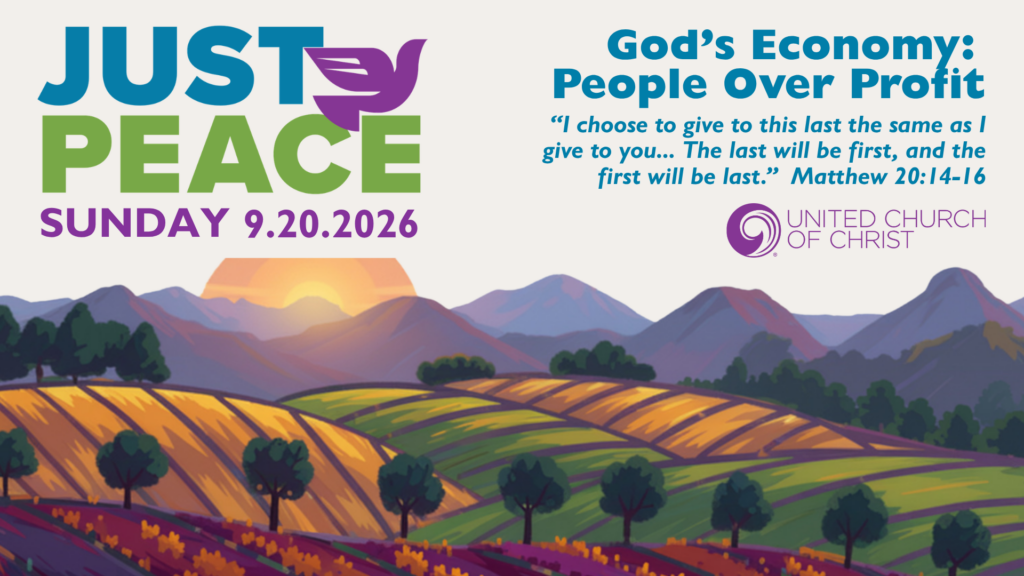
Join the United Church of Christ in Observing Just Peace Sunday
Communities are invited to join churches across the United Church of Christ in observing Just...
Read More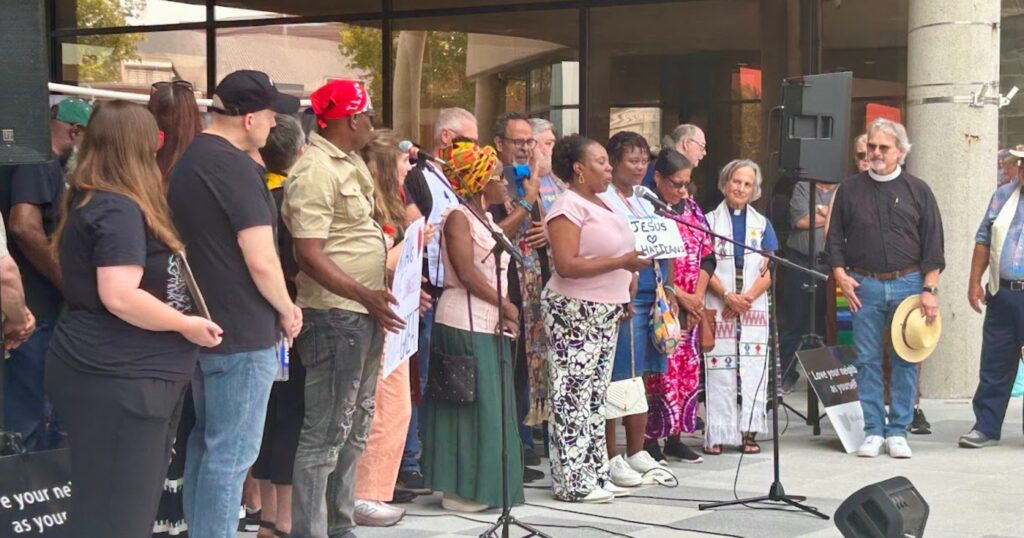
In Springfield, faith leaders from near and far joined rallying cry to ‘unshackle’ Haitian immigrants
In Springfield, Ohio, U.S. Immigration and Customs Enforcement have required many Haitian...
Read More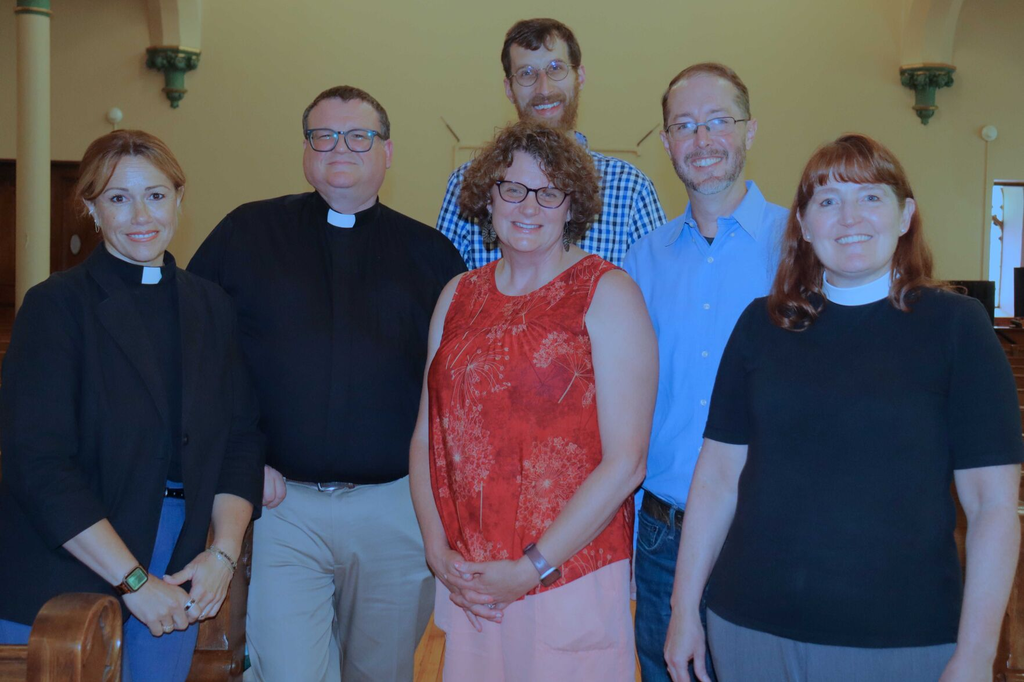
From the pulpit to the emergency room: Frederick faith leaders are using their churches to help erase millions of dollars in medical debt in their community
When the Rev. Chance Martinez-Colon learned of the burgeoning medical debt among Frederick...
Read More