‘A funeral for indifference’: Washington ‘funeral’ protest pushes to protect HIV care and prevention
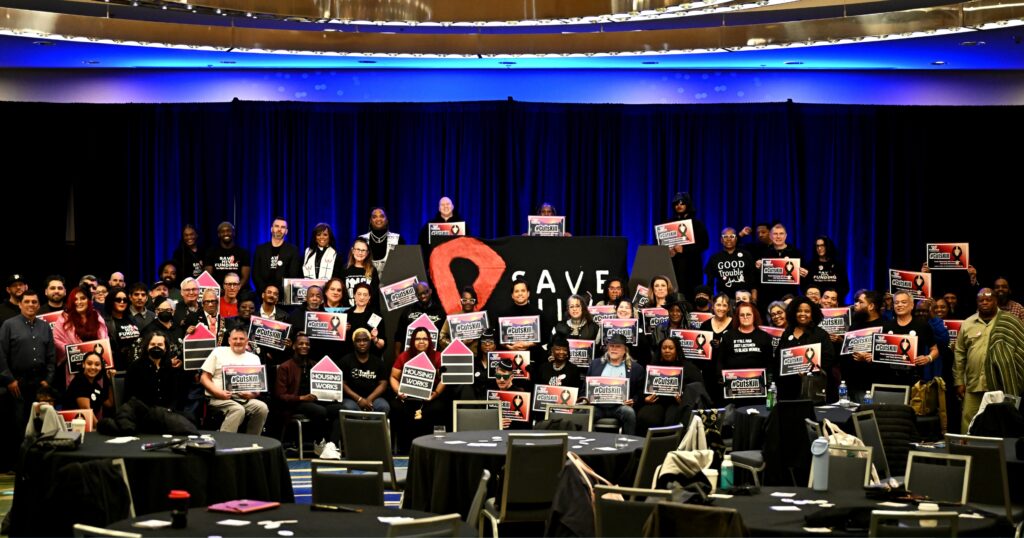
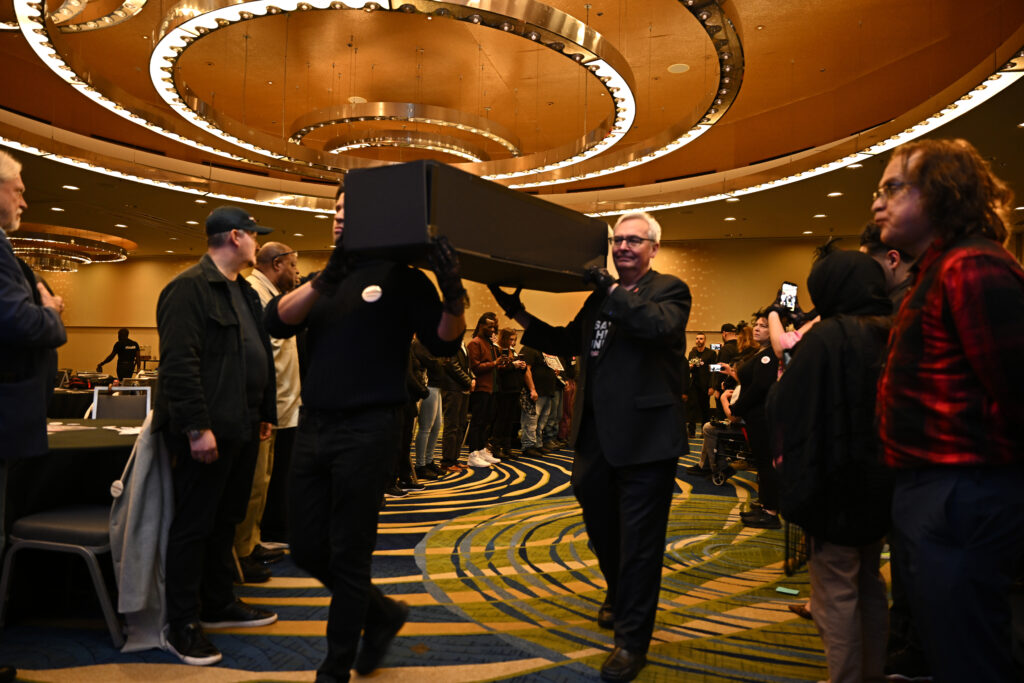
In a powerful and sobering demonstration in Washington, D.C., advocates from across the country gathered on March 16 to stage a symbolic funeral protest and celebration of life service. It offered a stark warning about the current trajectory of HIV prevention and care in the United States.
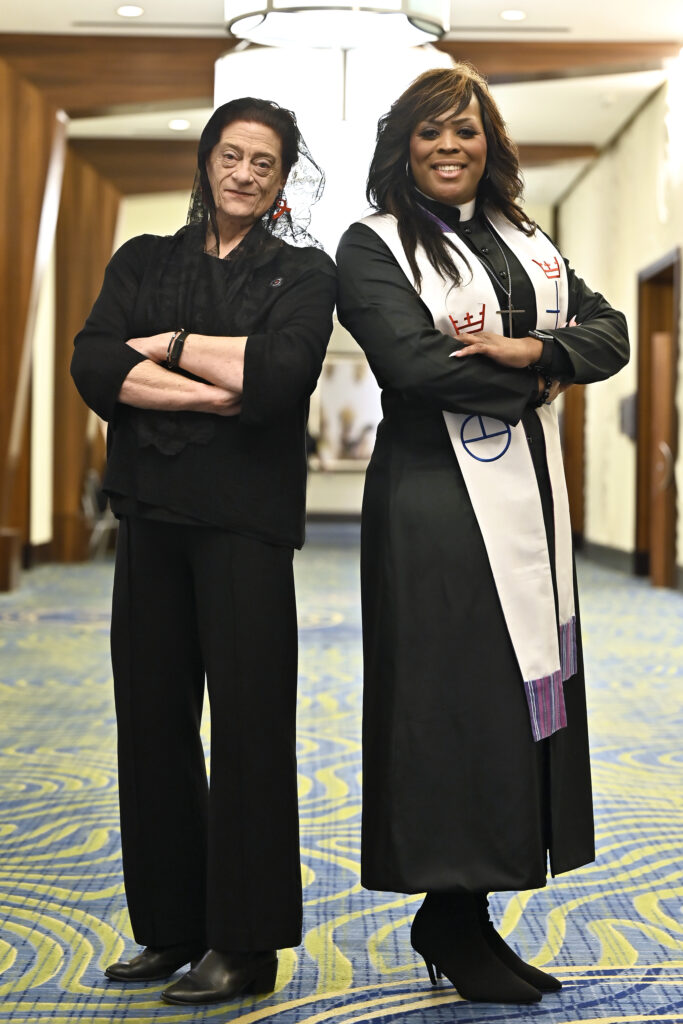
Advocates, long-term HIV survivors, community health providers, and faith leaders came together to mourn what is being lost: critical funding, essential services, and a national commitment to ending the HIV epidemic. At the same time, the gathering uplifted the resilience, legacy, and ongoing fight of communities disproportionately impacted by HIV — particularly Black, brown, LGBTQ+, and low-income communities.
“This is not a funeral for people – this is a funeral for indifference and a funeral for policies that have forgotten human lives,” said the Rev. Elder Carmarion D. Anderson, UCC minister for congregational leadership.
Anderson, who has nearly two decades of experience in public health and a deep commitment to ministry, was invited to offer the event’s “eulogy” of encouragement and urgency.
“These are not just policy decisions, my friends, they are moral decisions,” she said. “Budgets are written on paper, but the consequences land in our human bodies.”
Lifesaving care at risk
The event, organized by the Save HIV Funding Campaign, served as both a lament and a form of resistance. Through ritual, storytelling, and public witness, advocates lifted up the human impact of policy decisions, drawing attention to the growing instability in HIV prevention and care funding across the United States.
Over 1.2 million Americans are living with HIV, and over 500,000 rely on federal programs like the Ryan White HIV/AIDS Program for lifesaving medication and care. Federal HIV programs have shown to be cost-effective, with every $1 invested in HIV prevention saving the health care system $3 to $7 in future treatment costs, according to the campaign.
Yet as states face constrained budgets due to federal health funding cuts, tens of thousands of Americans are losing access to treatment for HIV. Nearly 20 states have imposed restrictions on assistance programs that help people access HIV medications, and other states are weighing such changes.
At the center the Funeral Protest event was a clear message: disinvestment in HIV infrastructure will cost lives.
The Rev. Bentley de Bardelaben-Phillips, UCC team leader for Education for Faithful Action Ministries, said that the UCC has been advocating for HIV funding for half a century – something, he noted, that is extremely rare among religious institutions. A 1983 General Synod resolution called for care and research funding and, in 1989, the UCC established the UCC HIV and AIDS Network (UCAN).
“I believe it is shameful that the current administration plays a form of Russian roulette with the lives of millions of people, domestically and globally, by denying funding that we ought to continue to support – and have been for five decades. When people are not able to take prescribed medicines regularly, it impacts them physically, mentally, and spiritually. It also impacts their communities,” de Bardelaben-Phillips said.
A call to policymakers
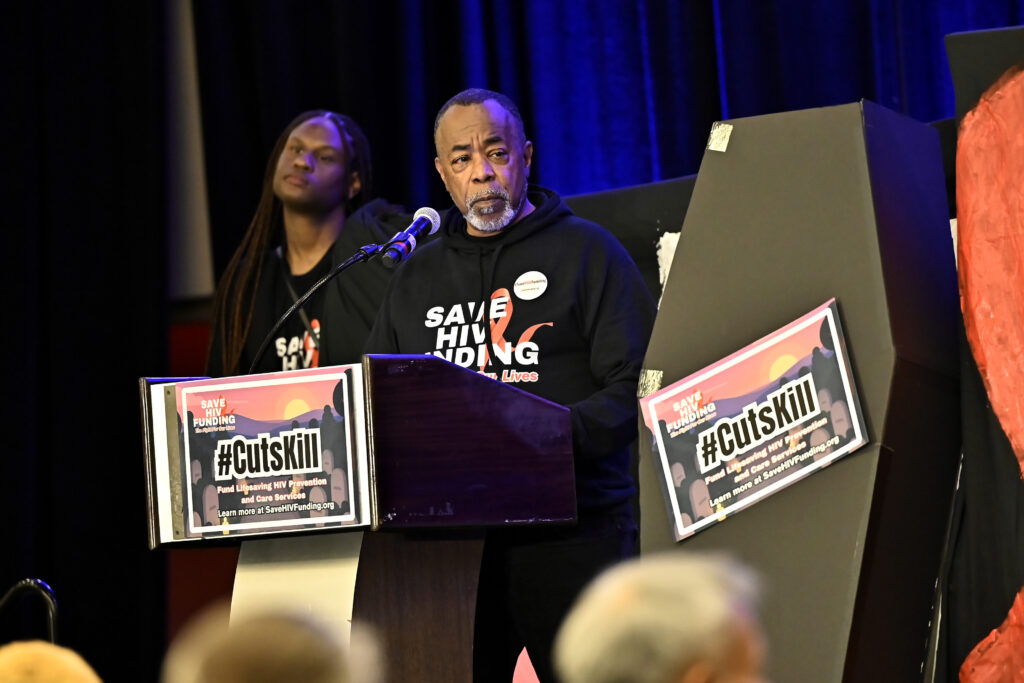
The protest’s speakers, including Jeremiah Johnson, Save HIV Funding Campaign co-founder and executive director of PrEP4All, warned that weakening federal HIV programs could reverse decades of progress made in reducing new HIV infections and expanding treatment access.
“We’re going to make sure that our policymakers hear us loud and clear: do we invest in life, or do we invest in death? Do we invest in care, or do we invest in bombs? We have to save our care, save our prevention, save our research, save our housing. And we have to do it, not just for those of us in America, but we have to do it globally,” he said.
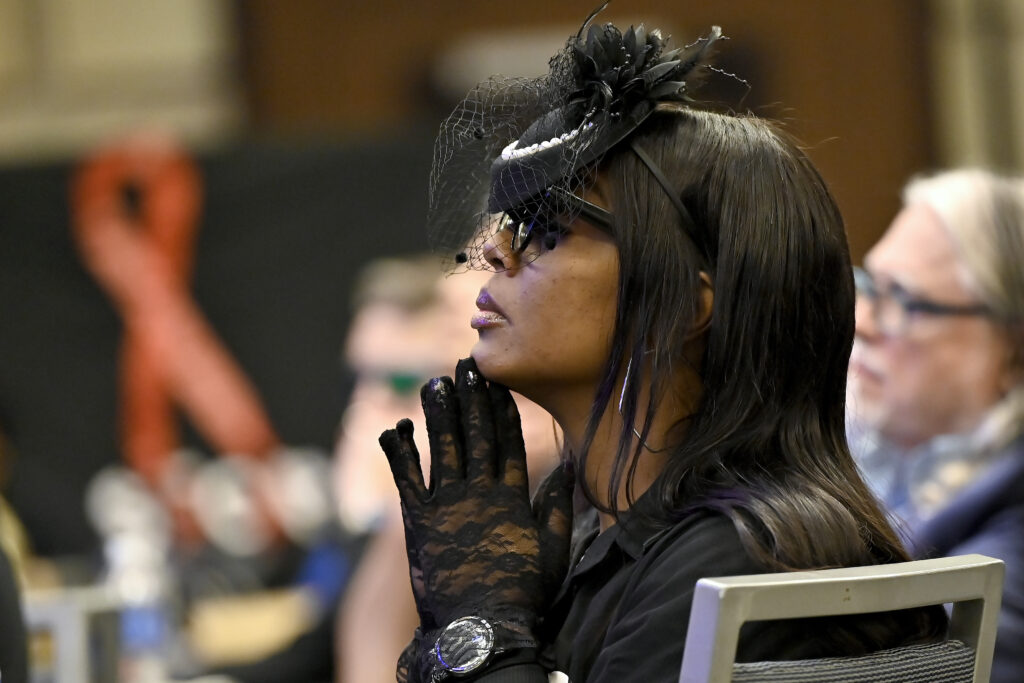
Anderson’s advocacy and empowerment message made people aware that the UCC and community partners “are here with open arms to advocate for them to receive wholeness and their humanity.”
She called on leaders and communities alike to remain vigilant and engaged.
“This moment calls all of us to action,” she said. “We must protect funding streams, strengthen access to care, and ensure that the most vulnerable among us are not left behind. The vision of ending the HIV epidemic is still within reach, but only if we choose to prioritize people over politics.
“Now is the time to act. Now is the time to speak. Now is the time to stand.”
Content on ucc.org is copyrighted by the National Setting of the United Church of Christ and may be only shared according to the guidelines outlined here.
Related News
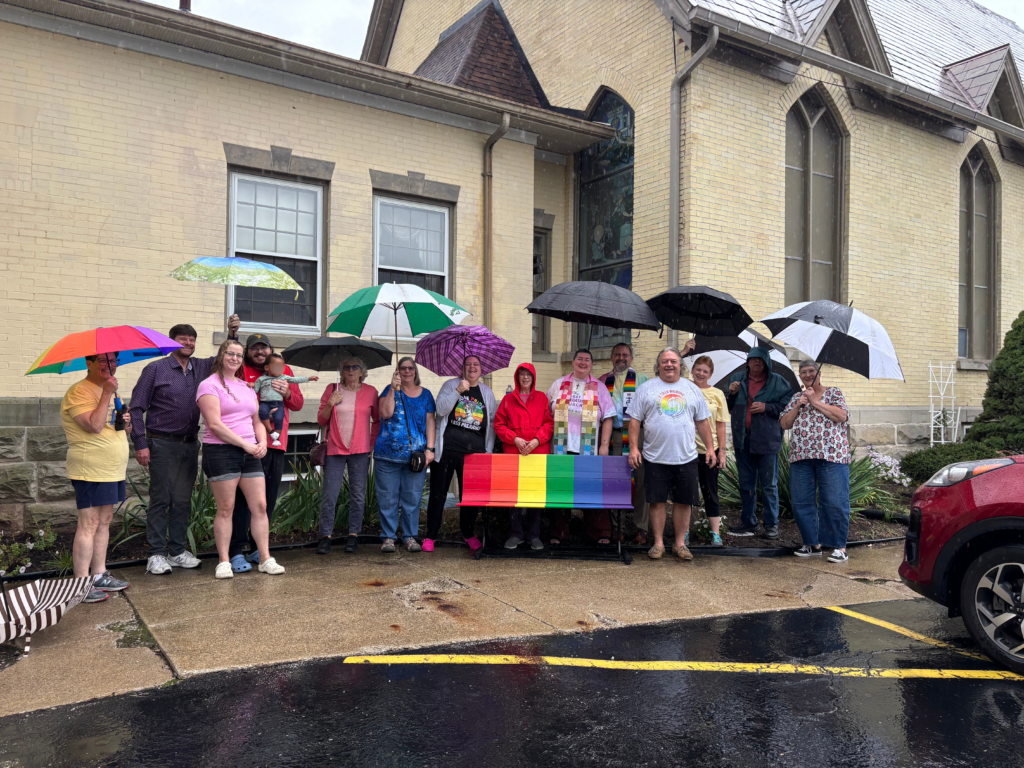
North Ridgeville UCC Church dedicates new rainbow bench, won’t let theft slow them down
In early September, a rainbow colored bench was stolen from the back of the First...
Read More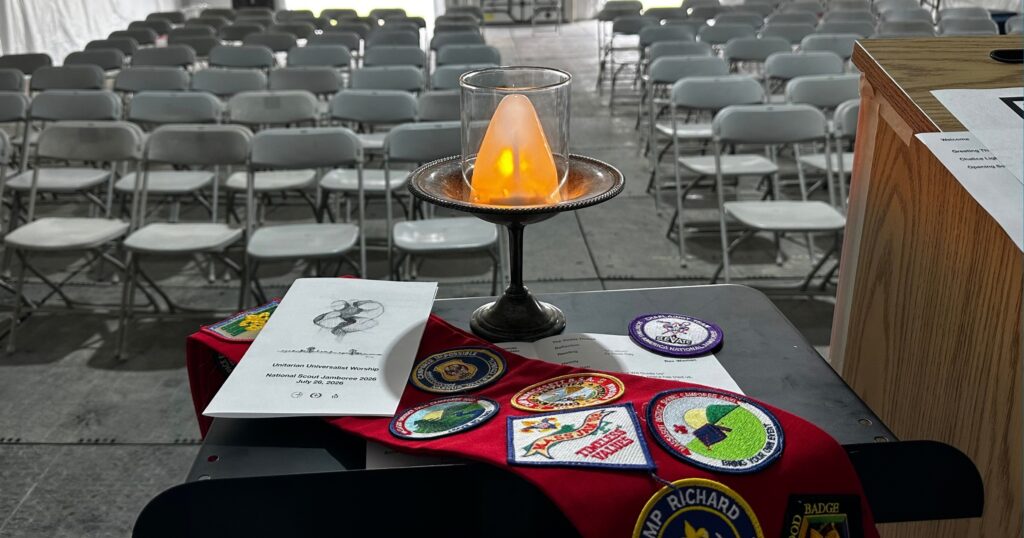
‘A space ripe for interfaith engagement’: Inclusive Christian traditions team up at Scouting America national gathering to offer support, presence, education
The Rev. Aaron Wisman says he was raised as a “none” – someone with no religious...
Read More
How do we respond to AI data centers? UCC study circle seeks input from local activists
The UCC’s Environmental Justice Ministries and Media Justice Ministry have joined together...
Read More