December 23
O come, O come Emmanuel, God-with-us, full of grace and truth to dwell, the Sovereign One, that calls us kin, as near to us as breath and skin.
The Join the Movement Team
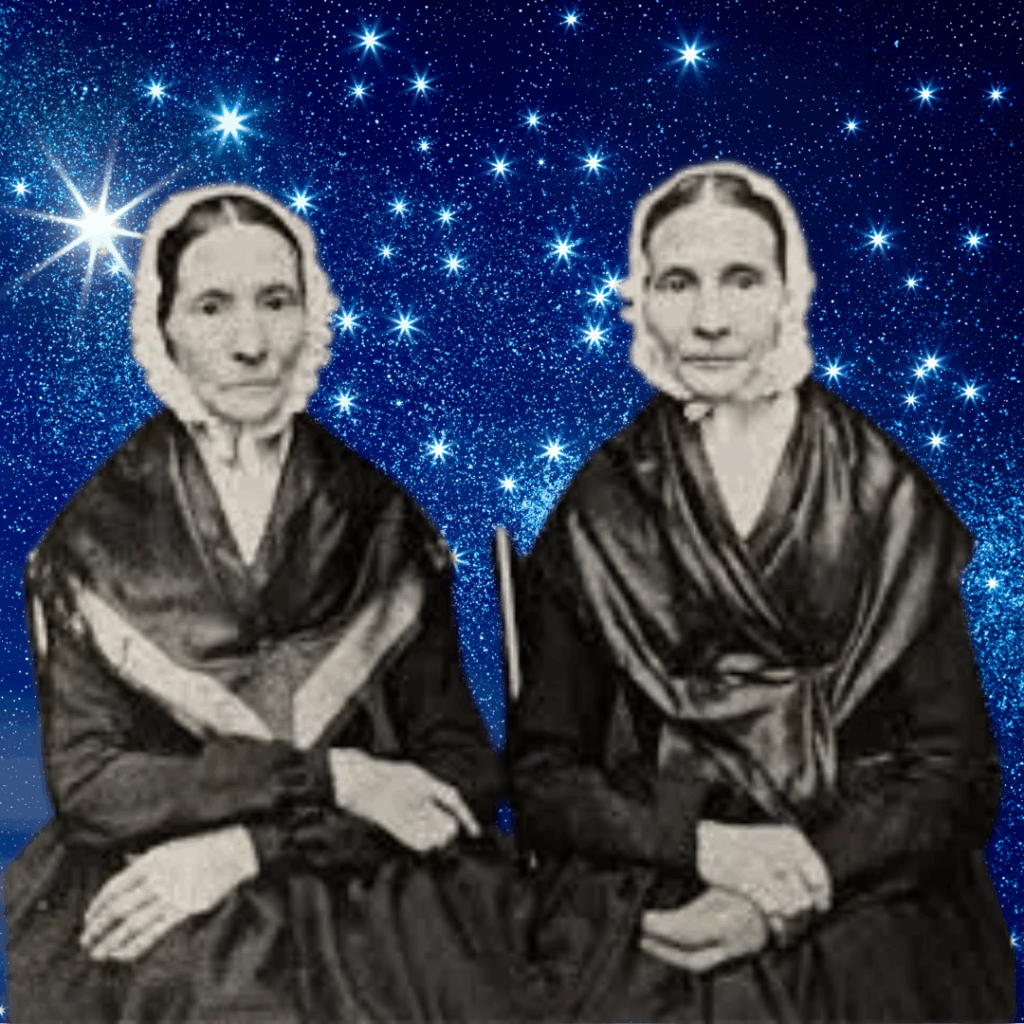
Abolitionist Profile
Sarah and Angelina Grimké were born in Charleston, South Carolina. Their father, John Facheraud Grimké, owned many enslaved people. Their mother, Mary Grimké, was the daughter of a wealthy and powerful plantation-owning family. Although Sarah was 13 years older than Angelina, the two sisters were very close. They would become some of the first women to speak in public against slavery, defying gender norms and risking violence in doing so. Beyond ending slavery, their mission—highly radical for the times—was to promote racial and gender equality. A childhood spent witnessing slavery’s cruelties and their own experiences with the limitations of gender roles shaped their life and sense of mission.
Having converted to Quakerism in their young adulthood, both sisters were deeply influenced by the abolitionist leanings of the Society of Friends. By 1836, Sarah and Angelina were both publishing abolitionist writings and in the fall of that same year, a speaking engagement in New York City launched a new phase of their activist careers. The sisters traveled all over the Northeast giving talks on abolition and women’s rights. Their perspectives on the question of slavery were highly valued because they had grown up in a slave-holding family and understood the system more intimately than most Northern abolitionists. But as the Grimké sisters’ fame spread, a backlash against them grew. Many people were unhappy to see women taking a public role in social and political debates. They felt Sarah and Angelina were stepping too far outside of the behavior of “respectable women.” People were particularly angry that Sarah and Angelina spoke in front of audiences that included both men and women and Black and white people to the point of heckling them, forming a violent mob to disrupt their talks, and burning a building in which they spoke to the ground. The sisters continued writing and speaking about abolition regardless.
Prayer
With heartbreaking grief and lifegiving joy, come Emmanuel.
In grit and solidarity, come Emmanuel.
With poetic fierceness and deeper truths, come Emmanuel.
In the daily practice of abolition, come Emmanuel.