December 16
O come, O Dayspring, bring the new dawn of hope and peace for which our spirits long. Together we rise unafraid, and shine with hope that cannot be swayed.
The Join the Movement Team
Abolitionist Profile
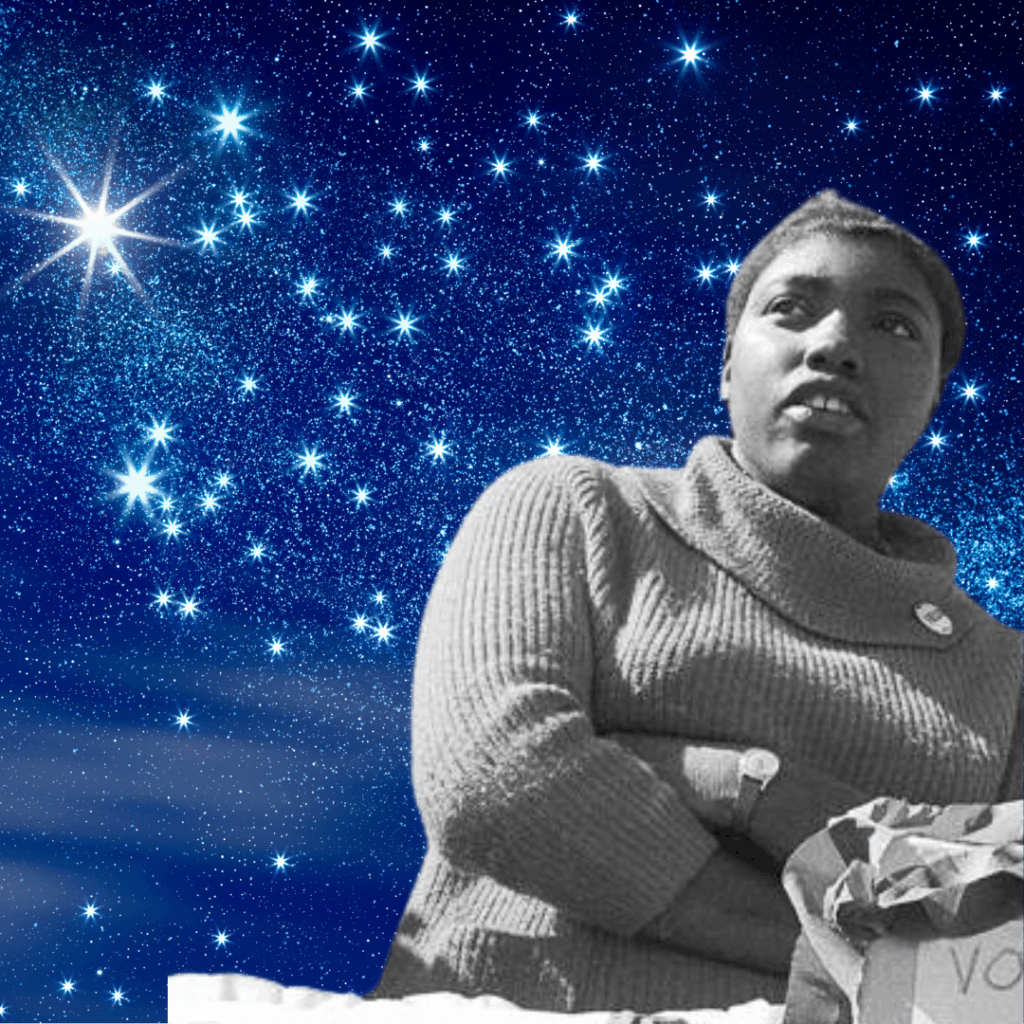
(Endesha) Ida Mae Holland was born in Greenwood MS in 1944 where she grew up in racialized poverty. At the age of 11 she was raped by her white employer and in order to prevent her ongoing sexual assault, Holland quit her job and began doing sex work to make money for her family. Years later, in the course of pursuing this work, she ended up following a man into the local office of the Student Nonviolent Coordinating Committee (SNCC) in Jackson, MS and in that moment her life changed as she joined the movement. “Somehow, just by walking in and being who I was, I’d made the grade,” she writes in her memoir. “I was on the team, and now I had responsibilities like everyone else.”
Holland already knew the local jail system well because of previous incarcerations and used that knowledge to help protect and support others who were being arrested for their involvement in civil rights protests and actions. She described herself as the “queen of the jails.” Her very first movement arrest occurred during a 1963 march to city hall protesting a speech in which the mayor accused other movement makers of setting fire to the SNCC office to foment division between organizations. Holland intervened as a police officer was about to kick Reverend Donald Tucker of Turner Chapel AME Church and was jailed for “disorderly conduct.”
She left Greenwood in 1966 and went on to earn graduate and doctoral degrees. She founded the African American Studies department at the University of Minnesota and became a notable playwright with many works based on her own life experiences. In 1983, she added “Endesha” to her name, a Swahili word that means “Driver – she who drives herself and others forward.” Holland’s autobiographical play From the Mississippi Delta was performed for years across the nation.
Prayer
With protection and support, come Dayspring.
In lived experience and embodied knowledge, come Dayspring.
With stories of surviving and thriving, come Dayspring.
In the daily practice of abolition, come Dayspring. Amen.