Investigation Incomplete
When Moses sent them to explore Canaan, he said, “See what the land is like and whether the people who live there are strong or weak, few or many.” – Numbers 13:17-18 excerpt (NIV)
Nearing the end of a wilderness trek that had lasted four decades, the ancient Israelites finally arrived in Canaan – their land of promise. But before they took possession of their promised territory, they thought it prudent to investigate the land and the people.
So Moses sent spies into Canaan on an intel mission. The spies were to bring back a detailed report on the quality of the land and its produce. In addition, the spies were to bring back an assessment of the Canaanites. How do they live? Are their cities and villages fortified? What is the measure of military might?
But the investigative instructions Moses gave to the spies overlooked something very critical:
A complete assessment of people cannot be fully derived just by counting their number or testing their infrastructure or surveying the strength of their defenses.
A complete assessment of people – whether an individual or a nation – requires an understanding of the values that inform and direct their everyday lives. Assessing a society involves identifying the spiritual values that are celebrated in public discourse. And it involves knowing something about the shared experiences of people that shape their cultural identity. Economy without ethos is not the full picture.
Knowing what people possess is one thing. Understanding the principles and promises that possess people is far more revealing. Empirical observations about how people live mean very little without visceral understandings of what people live for.
Prayer
Lord, may the full assessment of others reveal the common transcendence of human need and inspire the work of global justice. Amen.
 About the Author
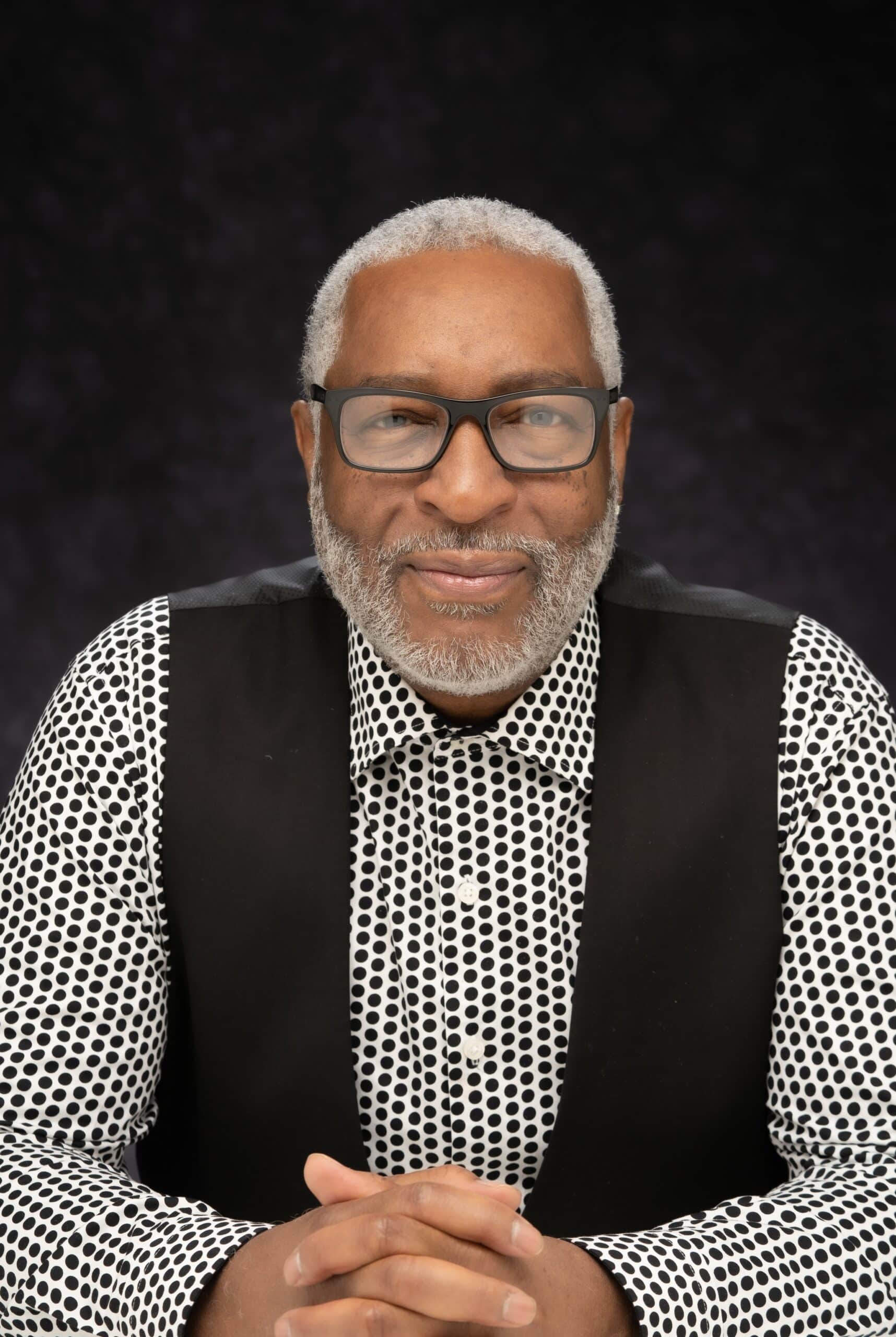
Kenneth L. Samuel is Pastor of Victory for the World Church, Decatur, Georgia.