Global H.O.P.E. Monitoring Center

The Global H.O.P.E. Monitoring Center highlights humanitarian developments, disasters, migration events, public health concerns, and other situations affecting communities around the world. Working alongside Global Ministries and international partners, the Global H.O.P.E. Team monitors emerging events and shares updates, resources, and opportunities for engagement when appropriate.

BREAKING NEWS
International
August 28, 2026 | Devastating Floods in Nepal
On 26 August 2026, ground supporting a glacier in the Himalayan mountains gave way causing a major avalanche of ice and rock to fall into the Bhote Koshi River. The debris caused a dam to form in the river which suddenly and violently gave way, releasing a torrent of water and debris that flooded the river valley of the Bhote Koshi and Trishuli rivers. Nepal’s National Disaster Risk Reduction and Management Authority (NDRRMA) has classified the emergency as a large-scale and catastrophic emergency requiring a coordinated national and international response.
As of 28 August 2026, CBS reported that 579 people have been confirmed dead and roughly 2,500 remain missing. Since the flood occurred on the 26th of August, more than 3,700 people have been evacuated from the area via helicopter.
We are in contact with and supporting partners through Global Ministries and ACT Alliance who are responding in the impacted area. Right now, the immediate needs are search and rescue, food, hygiene, shelter, logistics and access, and early recovery/livelihood support.
June 26, 2026 | Venezuela Earthquakes
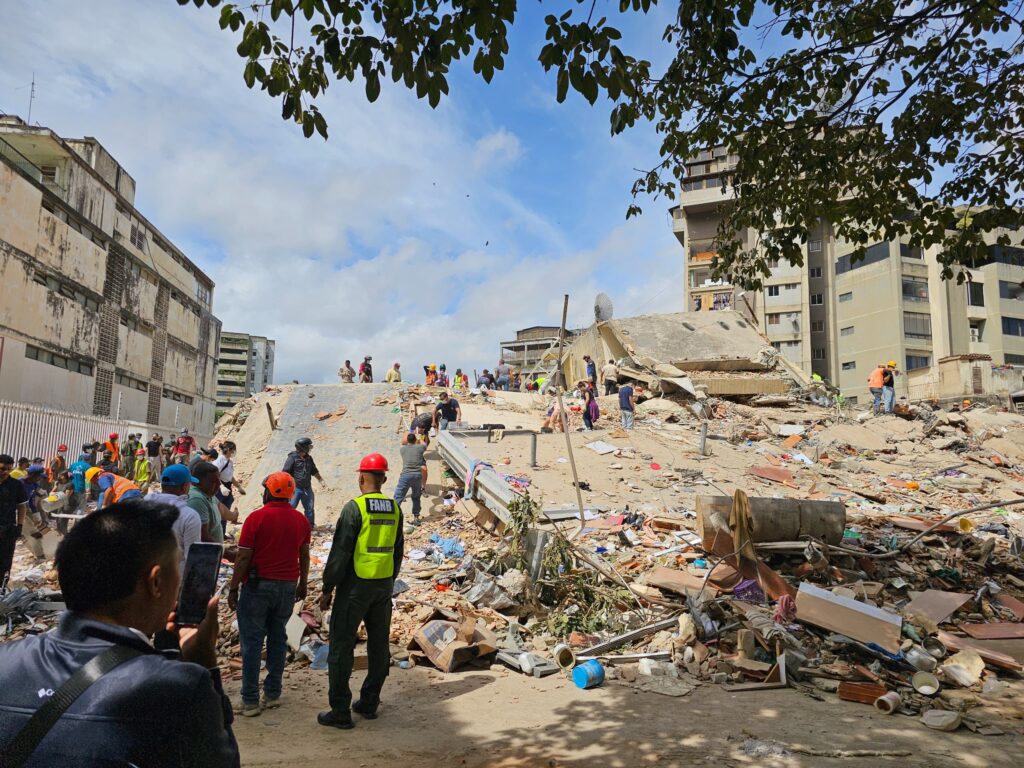
On June 24, 2026, two 7.2 and 7.5 magnitude earthquakes struck northern Venezuela. Significant damage has been reported across northern Venezuela, including the capital city Caracas and the government of Venezuela has declared a state of emergency. Immediate impacts include loss of shelter, infrastructure, disruption of basic services, and psychosocial distress. Long-term impacts are expected to include prolonged displacement and loss of livelihoods.
On 26 Jun 2026, Venezuela’s acting president, Delcy Rodriguez, reported that at least 589 people are dead, and 2,980 injured. Thousands of people remain missing, and the death toll is expected to rise as rescue crews continue search and rescue efforts.
The Global HOPE team is in working with its partners through ACT Alliance and Global Ministries to accompany those most deeply impacted by this tragedy. Members of ACT Alliance are working to provide shelter, mental health and psychosocial support services, food security and nutrition support, and water, sanitation and hygiene (WASH) support in the immediate future and plans are being developed for long-term accompaniment and recovery support.
While communication remains slow due to collapsed infrastructure, we will continue to provide updates as we receive them. We invite you to please continue to keep all those impacted in your prayers.
God of the broken and the buried,
Hear us as we pray in sorrow and hope.
We hold before you those whose lives have been shaken,
Let your peace, comfort and love be known to
Those who search, those who wait, and those who grieve.
Let your love be a source of light amidst the chaos of uncertainty.
In your name we pray,
Amen
Domestic
March 2026 | Hawaiian Islands Flooding
In late-March 2026, Hawaii experienced back-to-back storms known as Kona Lows that led to severe flooding across the Hawaiian Islands. This flooding represents the worst flooding that Hawaii has seen in more than 20 years. The Governor of Hawaii estimates the damages from these storms at over $1 billion including damage to airports, schools, roads, homes, and a Maui hospital in Kula. While the immediate threat of further flooding has passed, the long road to recovery is just beginning.
The Global HOPE team is in regular communication with the Hawaii Conference staff, ecumenical partners in disaster recovery, and response coordination calls with the national network of voluntary organizations active in disasters (VOAD). At this time, we are working to connect response resources with communities in need – this includes coordination with Church World Service and the potential deployment of clean up kits.
We know that at least three local UCC churches in Hawaii are in communities directly affected by the flooding. We are also aware of several other UCC churches who have made their spaces available as shelters.
As we continue to pray for and support those who experienced unimaginable loss, we invite you to support the UCC’s recovery efforts in the following ways:
Pray for those that have been impacted.
Act by assembling Hygiene Kits and Cleanup Buckets: After a disaster one of the biggest requests is the need for cleanup buckets and hygiene kits. UCC congregations interested in assembling hygiene kits and cleanup buckets are eligible for a matching grant through the Global HOPE office.
Donate to the UCC’s Hawaii Flooding 2026 Appeal. Your gifts will support the long-term recovery efforts of the community, as we work to ensure an equitable approach to long-term recovery in these communities.
Current Appeals
Current Appeals
Subscribe to Global HOPE Updates
Never miss an opportunity to be part of building a better world…the new Global HOPE newsletter is here! Meet the team and sign up for future quarterly newsletters featuring all the latest disaster resources, grant applications and volunteer opportunities for your congregation. Select all categories to receive all of our communications, or just the areas that apply to you.
What We’re Monitoring
The Global H.O.P.E. Team monitors a range of situations that may affect communities, livelihoods, infrastructure, public health, and human dignity.

Human-Caused Disasters
Events resulting from conflict, violence, civil unrest, infrastructure failure, environmental incidents, or other human-driven causes that create humanitarian needs and community disruption.
Pandemics & Public Health Concerns
Emerging disease outbreaks, public health emergencies, healthcare system challenges, and other developments that may impact the health and well-being of communities worldwide.

Refugee & Migration Situations
Population displacement, refugee movements, migration trends, border crises, and situations affecting individuals and families seeking safety, shelter, and stability.

Weather & Geological Events
Hurricanes, floods, wildfires, severe storms, droughts, earthquakes, volcanic activity, landslides, and other natural hazards with humanitarian implications.